8.6 Decongestants V2
Decongestant medications have been available over the counter for years. Although they are readily available, considerations are necessary when taking any drug. In this unit we will explore these drugs further.
Our prototype med is pseudoephedrine.
Pseudoephedrine
Pseudoephedrine is an over-the-counter (OTC) decongestant (see Figure 8.6a). More details regarding pseudoephedrine are described in Chapter 4.0 Autonomic Nervous System.
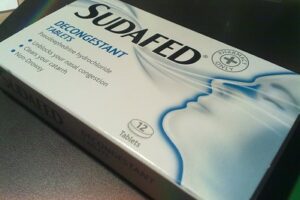
Figure 8.6a Sudafed is the brand name for the decongestant pseudoephedrine.
Mechanism of Action
Pseudoephedrine acts directly on the adrenergic receptors and acts indirectly by releasing norepinephrine from its storage sites. The drug produces vasoconstriction, which shrinks nasal mucosa membranes.
Indications for Use
Decongestants relieve nasal obstruction due to inflammation.
Nursing Considerations
Administration: oral, well absorbed. Onset within 15-30 minutes
Assess congestion and lung sounds before and periodically after therapy.
This medication is not safe for children under the age of 4 years.
Use with caution for clients who have cardiac dysrhythmias, hyperthyroidism, DM (diabetes mellitus), prostatic hypertrophy, and glaucoma (Frandsen & Pennington, 2018).
Decongestants are contraindicated in clients with severe hypertension, coronary artery disease (CAD), narrow-angle glaucoma, and some antidepressant use.
Adverse/Side Effects
Common side effects include anxiety, palpitations, anorexia
Other effects include hypertension, dysrhythmia, dizziness, headache, insomnia, and restlessness. Adverse effects: blurred vision, tinnitus, chest tightness, dry nose, and nasal congestion.
Rebound decongestion can occur.
Client Teaching
- Client must take care to follow dosing recommendations.
- If dosing standards are surpassed or if taking other cold remedies concurrently, may experience adverse stimulant effects such as palpitations, increased nervousness, breathing difficulties, heart rate changes, and hallucinations (Vallerand & Sanoski, 2024).
- Encourage fluid intake of 1500-2000 mL/day to decrease secretion viscosity
Pseudoephedrine Medication Card
Now let’s take a closer look at the medication drug card on Pseudoephedrine. Medication cards are intended to assist students to learn key points about each medication class. Basic information related to a common generic medication in this class is outlined, including administration considerations, therapeutic effects, and side effects/adverse effects.

Downloadable file (.docx):Pseudoephedrine Medication Card
Media Attributions
- 8.6a “Project 366 #165: 130612 Helping Hand?” by Pete is licensed under public domain ↵
References
Frandsen, G. & Pennington, S. (2018). Abrams’ clinical drug: Rationales for nursing practice (11th ed.). Wolters Kluwer. ↵
Vallerand, A. & Sanoski, C. (2024). Davis’s Canadian drug guide for nurses (19th ed.). F.A. Davis Company: Canada